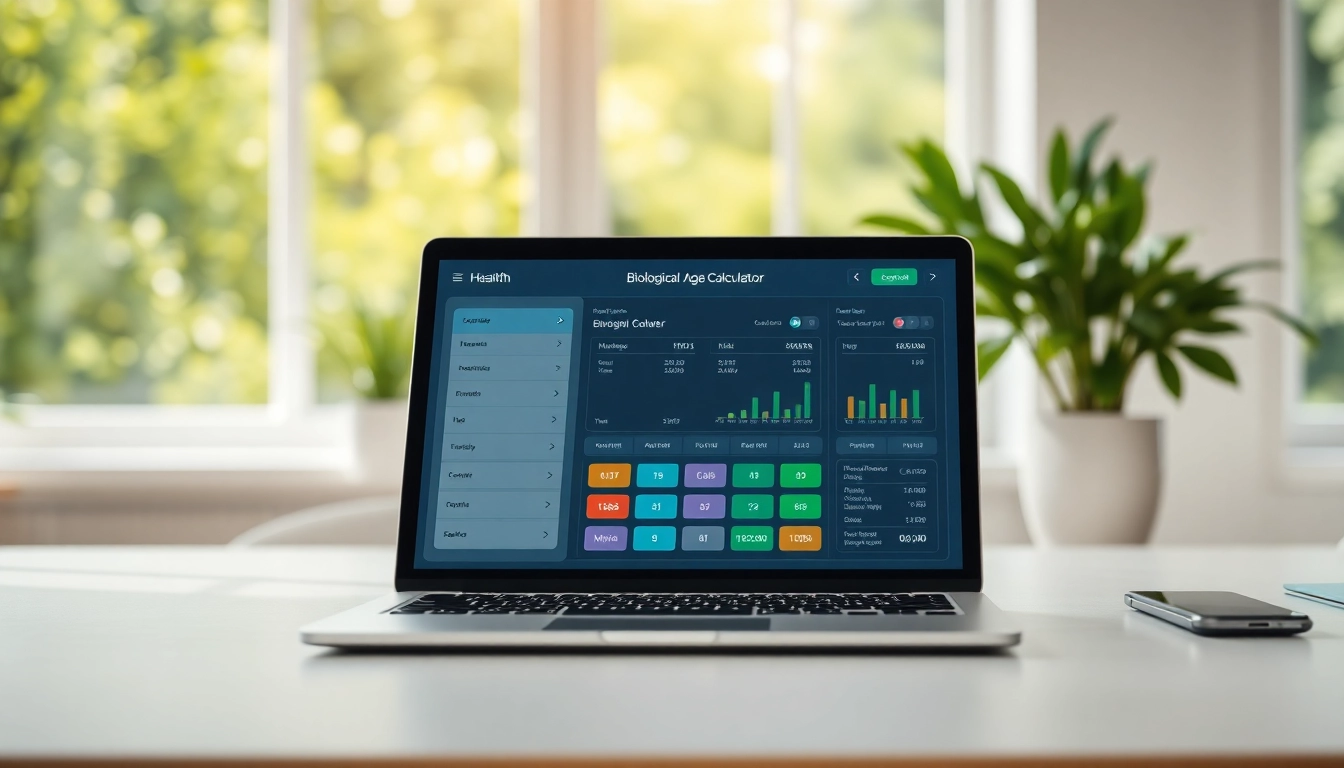
Understanding Biological Age and Its Importance
In the quest for longevity and health, the concept of biological age has emerged as a pivotal factor. Unlike chronological age, which simply counts the years since an individual was born, biological age reflects how well your body has aged at a cellular and molecular level. Using tools such as a biological age calculator can provide valuable insights into your physical health and help you comprehend the underlying dynamics of aging.
What is Biological Age?
Biological age, often referred to as phenotypic age, quantifies how well your body has adapted to the stresses of life and the environment. This measurement can be significantly different from your chronological age, representing the effectiveness of your body’s physiological systems. Determined by factors such as genetics, lifestyle, and environmental influences, biological age serves as an indicator of your overall health status. Multi-faceted tools that analyze various biomarkers can offer a more precise reflection of biological age, indicating how your body is functioning relative to its actual years.
Why Biological Age Matters Over Chronological Age?
Understanding biological age is crucial for multiple reasons. Firstly, biological age provides a more nuanced understanding of health risks. For instance, individuals who are chronologically older may possess a younger biological age due to healthy lifestyle choices, while younger individuals might show signs of aging due to unhealthy habits. Secondly, it helps in tailoring health interventions; by knowing your biological age, you can work towards strategies that may delay aging and improve health outcomes. Lastly, tracking your biological age can serve as motivation; improvements in this metric may encourage lifestyle adjustments that contribute to overall well-being.
Factors Influencing Biological Age
Several factors contribute to the determination of biological age, including:
- Genetics: Hereditary factors can influence how quickly or slowly your body ages.
- Lifestyle choices: Habits like smoking, drinking, exercise, and diet significantly affect biological age.
- Environmental factors: Exposure to toxins and pollutants can accelerate the aging process.
- Stress: Chronic stress can lead to premature aging, affecting cellular health.
- Sleep quality: Poor sleep patterns are linked to increased biological age.
How to Use a Biological Age Calculator
Utilizing a biological age calculator can provide profound insights into your health journey. To achieve the most accurate results, it is essential to understand how to use these tools effectively.
Inputting Your Data Correctly
Successful usage of a biological age calculator hinges on the accurate input of personal data. Most calculators will require information such as age, gender, weight, height, and various lifestyle factors, including diet and exercise habits. Some calculators may further request biomarker data derived from blood tests, which can include cholesterol levels, glucose levels, and other health indicators. Ensuring that the provided data is both correct and comprehensive is crucial for obtaining meaningful results.
Common Metrics Assessed by Calculators
Biological age calculators typically assess various metrics to determine an individual's biological age. Common assessments may include:
- Body Mass Index (BMI): A crucial measure linking weight and height, indicating overall body composition.
- Cholesterol Levels: Elevated levels can signal cardiovascular risks and general health issues.
- Blood Pressure: Both systolic and diastolic readings help indicate heart health.
- Blood Sugar Levels: Gauging how effectively the body manages glucose can highlight metabolic health.
- Inflammatory Markers: These indicate the existence of chronic inflammation which can accelerate aging.
Interpreting Your Results
Once you receive results from a biological age calculator, it's essential to interpret them correctly. A biological age that is lower than your chronological age typically suggests good health and well-maintained physiological systems. Conversely, if your biological age exceeds your chronological age, it may warrant further examination of your lifestyle choices and potential health risks. This insight can empower you to take corrective actions before health problems become serious.
Comparing Different Biological Age Calculators
With numerous biological age calculators available online, comparing their functionalities and effectiveness is vital for making an informed choice.
Features to Look For
When evaluating biological age calculators, consider the features that enhance user experience and accuracy:
- Comprehensive Assessment: The best calculators assess multiple health markers rather than a single metric.
- User-Friendly Interface: A calculator should have an intuitive layout that makes data input straightforward.
- Detailed Feedback: Look for tools that provide personalized feedback based on your results, highlighting areas for improvement.
- Actionable Guidelines: The inclusion of recommendations for lifestyle changes is invaluable.
Accuracy and Scientific Backing
Not all biological age calculators are created equal. Opt for tools that are supported by scientific research and employ robust methodologies. It’s beneficial to examine the underlying algorithms and whether they incorporate validated health metrics. The most credible calculators use data compiled from large cohorts and peer-reviewed studies to ensure that their results have a solid scientific foundation.
User Experience and Interface Design
A good user experience can significantly affect the overall value of a biological age calculator. An intuitive design encourages consistent usage, leading to better monitoring over time. Features such as progress tracking, visual representations of data (like graphs), and easy navigation can enhance the experience. Moreover, calculators that offer mobile accessibility often facilitate regular use.
Steps to Improve Your Biological Age
After determining your biological age, the focus shifts to how you can improve it and promote healthier aging. There are several strategies to reduce biological age through lifestyle modifications.
Lifestyle Changes That Can Lower Biological Age
Adopting healthy habits can significantly impact biological age. Here are several actionable steps:
- Regular Exercise: Engaging in both aerobic and strength training exercises enhances cardiovascular health and muscle maintenance, which are crucial for longevity.
- Balanced Diet: Consuming a diet rich in fruits, vegetables, whole grains, and lean proteins can help regulate weight and combat inflammation.
- Adequate Sleep: Prioritizing sleep hygiene allows for cell repair and regeneration, contributing to better health metrics.
- Mental Well-being: Incorporating stress management techniques such as meditation, yoga, or mindfulness can combat premature aging on a cellular level.
- Avoiding Harmful Substances: Reducing or eliminating tobacco use and limiting alcohol intake can have significant health benefits.
Essential Nutrients and Supplements
Apart from lifestyle choices, certain nutrients and supplements can support the body's aging process:
- Antioxidants: Vitamins C and E, along with selenium, counteract oxidative stress that leads to aging.
- Omega-3 Fatty Acids: Found in fish oil, these essential fats can reduce inflammation and support heart health.
- Coenzyme Q10: This antioxidant plays a role in energy production in cells and has implications for heart health and aging.
- Vitamin D: Essential for bone health, vitamin D also plays a role in immune function and has been linked to lower age-related health risks.
Regular Health Assessments
Engaging in regular health assessments allows individuals to monitor their biological age effectively. Conducting periodic blood tests can identify key biomarkers that indicate health improvements or declines. By working with healthcare providers to establish a comprehensive health plan tailored to your biological age, you can proactively address any identified concerns.
Real-Life Success Stories and Case Studies
The practical implications of utilizing a biological age calculator extend beyond theory. Numerous individuals have reported significant health improvements after adopting suggested changes based on their biological age results.
Individuals Who Benefited from Using Biological Age Calculators
Many individuals have successfully altered their lifestyles using insights gained from biological age calculators. For instance, one case involved a man in his early 50s whose biological age aligned with that of a 60-year-old, primarily due to an unhealthy diet and lack of exercise. After using the calculator, he began a structured exercise program and incorporated nutrient-rich foods into his diet. Within six months, follow-up tests showed that his biological age had decreased, aligning more closely with his chronological age.
Measurable Improvements in Health
Case studies illustrate how concrete changes lead to measurable health benefits. For example, a woman in her late 40s approached biological age monitoring due to concerns around chronic fatigue. By following the lifestyle recommendations suggested post-evaluation, she focused on stress reduction techniques and dietary improvements. A year later, her biological age had notably decreased, and she reported increased energy levels and overall well-being.
Expert Insights and Recommendations
Experts emphasize that understanding and managing biological age is a key step towards enhanced longevity and quality of life. They recommend using biological age calculators intermittently to track changes and motivate ongoing adaptations in health behaviors. Expert tips often include personalized health planning, integrating regular fitness, eating well, and staying informed about personal health metrics.