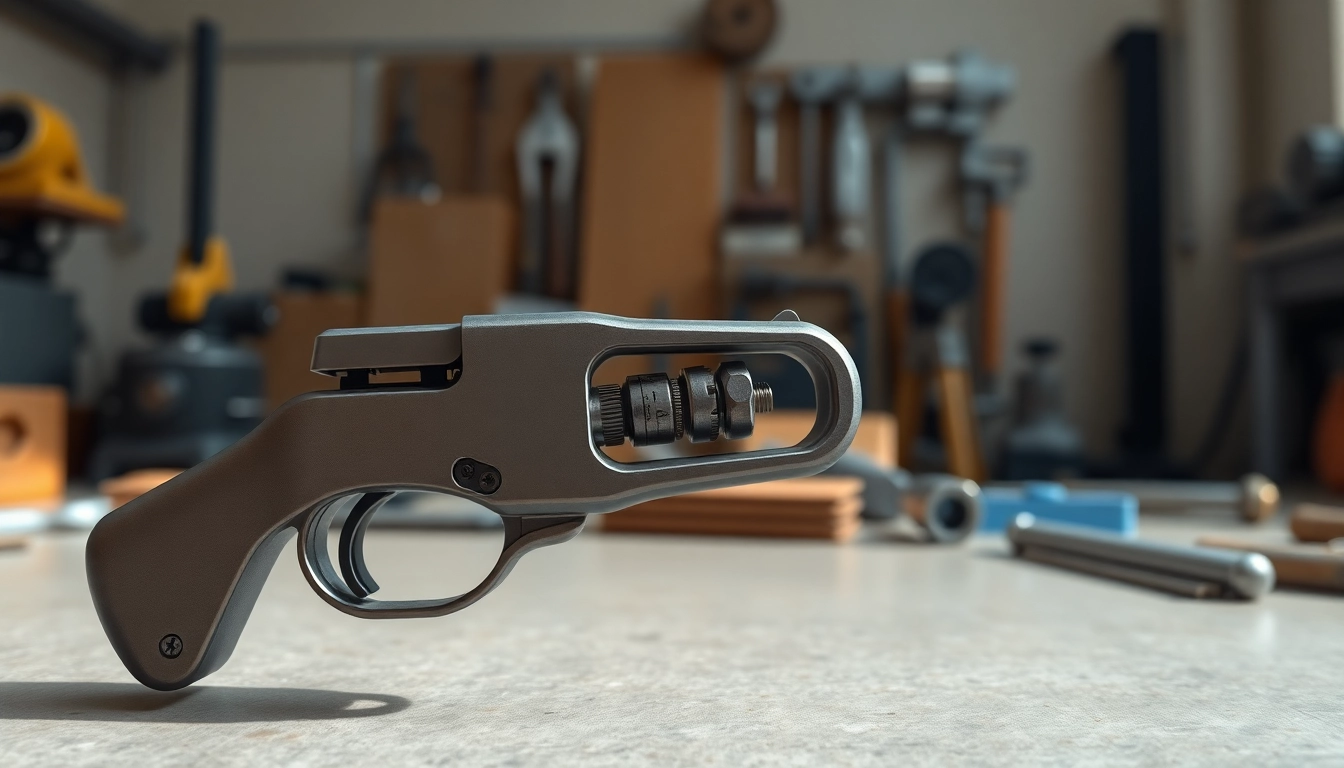
What is a Forced Reset Trigger?
Definition and Basics
A Forced reset trigger is a specialized firearm trigger mechanism designed to enhance the shooting experience by allowing semi-automatic firearms to fire continuously without the need to manually release the trigger between shots. Unlike traditional triggers, which require the shooter to fully reset and pull the trigger anew for each shot, forced reset triggers automatically reset after each shot, creating a more fluid shooting rhythm. This innovation caters especially to competitive shooters and enthusiasts looking to maximize fire rates while retaining control and accuracy.
Components of a Forced Reset Trigger
The forced reset trigger comprises several critical components that work synergistically to provide enhanced performance:
- Trigger Blade: Similar to standard triggers, this is the part that the shooter engages to fire.
- Reset Mechanism: The component that automatically restores the trigger to its initial position after a shot is fired, allowing for rapid consecutive firing.
- Hammer Mechanism: Informs the rifle to fire as soon as the trigger is reset.
- Spring System: Provides the necessary tension to ensure quick and reliable reset actions.
- Safety Features: Designed to prevent accidental discharges and ensure safe operation at all times.
Benefits of Using a Forced Reset Trigger
The adoption of a forced reset trigger comes with a multitude of advantages for shooters:
- Increased Rate of Fire: With its rapid shooting capability, users can achieve a significantly higher round output.
- Improved Control: Enhanced cycling speed means less need for re-acclimation to trigger mechanics, resulting in smoother operation.
- Competitive Edge: In competitions, consistent and rapid firing can lead to better scoring opportunities.
- Customization Opportunities: Many models allow for tuning, enabling customization to the shooter's preferences.
- Increased Fun Factor: The experience of rapid firing can add enjoyment for recreational shooters.
How Does a Forced Reset Trigger Work?
Mechanism Overview
At its core, a forced reset trigger operates via a unique mechanical setup that allows the trigger to reset itself automatically after firing. This includes the use of springs and levers that are precisely calibrated to ensure both rapid response and reliability under various operating conditions.
Step-by-Step Functionality
The functionality of a forced reset trigger can be broken down into a few straightforward steps:
- Engagement: When the shooter pulls the trigger, it engages the firing mechanism.
- Firing: The trigger operates the hammer or firing pin, discharging a round.
- Automatic Reset: The reset mechanism interacts with the trigger blade, allowing it to set back into position without needing full release.
- Repeat: The shooter can quickly depress the trigger again to fire another round.
Common Misconceptions
Despite their growing popularity, there are several misconceptions surrounding forced reset triggers:
- Legal Status: Many believe these triggers are illegal everywhere. Laws vary by region and should always be checked.
- Complexity of Use: While they may seem advanced, most shooters find them intuitive and easy to master.
- Reliability Concerns: Some think these triggers are less reliable; however, they are designed for durability and consistent performance.
Installation of the Forced Reset Trigger
Tools Required
Installing a forced reset trigger requires specific tools to ensure proper installation and functionality. Common tools include:
- Gun screwdriver set
- Torx or hex wrenches, depending on the model
- Pin punch set for removing pins
- Bench vise or cradle for stability
- Safety glasses
Installation Process
The installation process should be approached with care, following these general steps:
- Disassemble the Firearm: Ensure the firearm is unloaded and disassemble it according to the manufacturer’s guidelines.
- Remove the Old Trigger: Use a punch tool to remove any pins holding the existing trigger in place, then safely extract it.
- Install the Forced Reset Trigger: Carefully place the new trigger into position, making sure to align it properly.
- Secure with Pins: Insert the pins back into place to secure the trigger properly.
- Reassemble Firearm: Put the firearm back together and perform a series of checks before live use.
Safety Considerations
Safety should always take precedence when handling firearms:
- Always ensure your firearm is unloaded before installation.
- Wear appropriate safety gear, especially goggles.
- Perform the installation in a safe environment, away from distractions.
- Test the trigger function in a controlled and safe environment.
Performance Optimization with Forced Reset Trigger
Improving Fire Rate
One of the most significant advantages of using a forced reset trigger is the inherent improvement in fire rate:
By significantly reducing the time taken to reset between shots, shooters can enjoy the benefits of a much faster firing rhythm, which is crucial in competitive settings. Regular practice on trigger discipline can further refine this capability.
Accuracy Enhancements
While one might assume that firing more rounds would compromise accuracy, the refined mechanics of a forced reset trigger can allow for both speed and precision:
The assurance of fast reset enables shooters to stay more focused on their aim resulting in enhanced overall accuracy, especially in pressure situations.
Tuning and Maintenance
To maximize the performance of a forced reset trigger:
- Regular Cleaning: Keep the mechanism clean to prevent any build-up that may hinder functionality.
- Spring Replacement: Over time, springs may become less efficient. Regular checks and replacements can maintain performance.
- Adjusting Trigger Pull Weight: Many models let users adjust pull weight, allowing for a highly tailored feel.
Frequently Asked Questions about Forced Reset Triggers
What are the advantages of a forced reset trigger?
A forced reset trigger offers increased fire rates, improved shooting rhythm, enhanced control, and precise shooting performance, especially beneficial in competitive environments.
Are forced reset triggers legal in my area?
Legal status varies by location. Always check local laws and regulations regarding their use to ensure compliance.
Can a forced reset trigger improve my shooting skill?
By providing a smoother and faster shooting experience, a forced reset trigger can help enhance shooting skills, especially with practice.
What types of firearms can use a forced reset trigger?
Forced reset triggers are typically designed for specific semi-automatic firearms. Always consult the manufacturer to determine compatibility with your weapon.
How do I maintain my forced reset trigger?
Regular cleaning, monitoring spring tension, and occasional adjustments to pull weight will help keep your trigger functioning optimally.