Understanding Different Types of Ice Makers
Countertop Ice Maker Overview
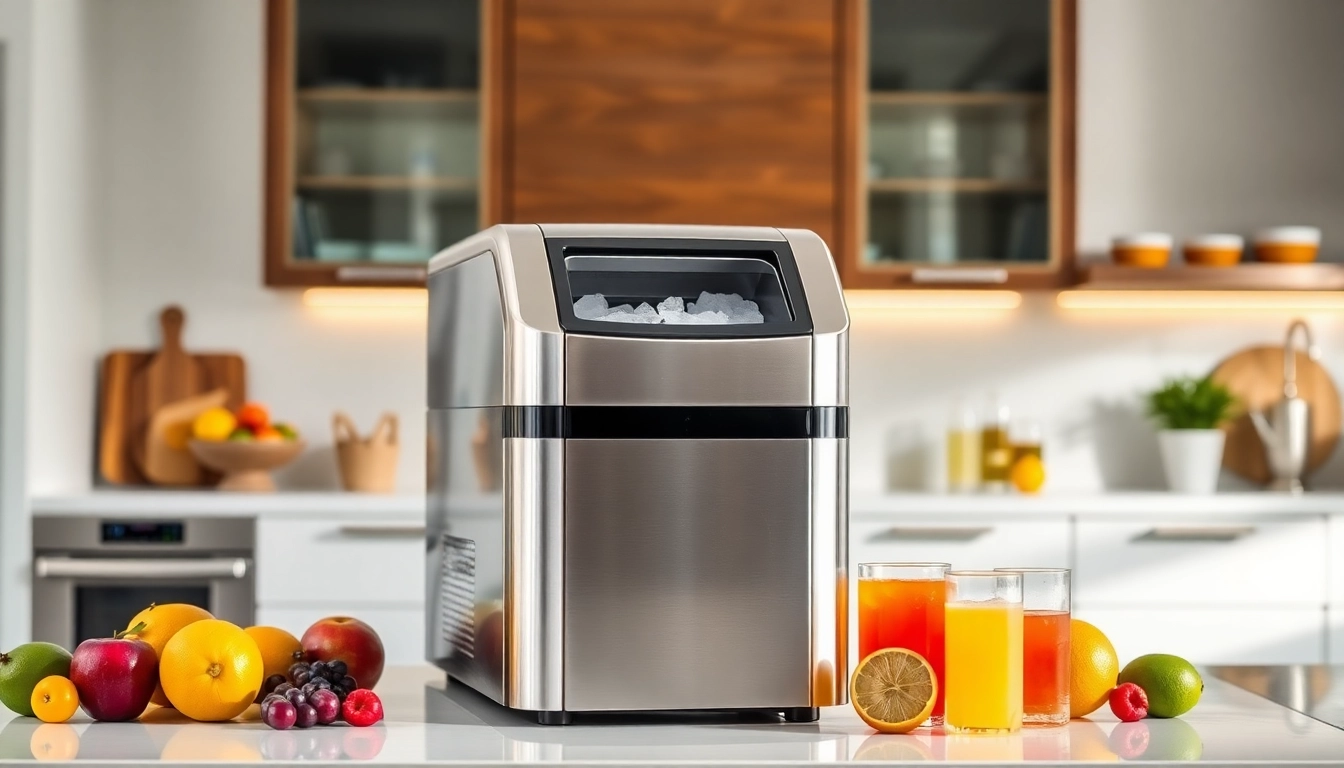
Countertop ice makers have gained immense popularity among homeowners and host enthusiasts alike for their compact design and convenience. A countertop ice maker is typically a compact unit that can be placed on kitchen counters, making it easy to access fresh ice whenever needed. Unlike traditional ice trays that can take hours to freeze, these devices can produce ice within minutes, catering to impromptu gatherings or simply quenching thirst on a hot day. An ice maker that is portable and efficient can elevate your drink presentations and ensure you never face an ice shortage at home.
Built-In Ice Maker Benefits
Built-in ice makers are fixtures that are professionally installed in kitchen cabinetry, providing a seamless and aesthetically pleasing integration into your kitchen decor. These units often have a higher production capacity than countertop models, making them ideal for larger households or homes that frequently entertain guests. They can produce a wide variety of ice shapes including cubes, nuggets, and flakes, accommodating different beverage preferences. Another significant benefit of built-in models is their direct water line connectivity, allowing for a constant supply of ice without the need for manual refilling.
Commercial Ice Maker Applications
Commercial ice makers are designed for high-demand environments like restaurants, bars, and cafes. These robust machines can generate large quantities of ice rapidly to meet the needs of busy service periods. Typically, commercial units can handle continuous ice production, offering a variety of sizes and types of ice suitable for various applications, from cocktails to smoothies. Given their heavy-duty nature, they come with advanced features like self-cleaning capabilities and more complex filtering systems to ensure optimal hygiene and ice quality.
Essential Features of an Ice Maker
Ice Production Capacity
The ice production capacity of an ice maker varies widely depending on the type and model. Countertop units generally range from 20 to 28 pounds of ice per day, while built-in versions can produce up to 50 pounds or more daily. It's crucial to consider your ice consumption patterns when selecting a unit. For social gatherings, a higher capacity might be needed, while smaller households can opt for less robust solutions.
Energy Efficiency Ratings
Considering the energy usage of an ice maker is crucial for cost savings and environmental impact. Ice makers typically carry energy efficiency ratings that indicate their power consumption alongside ice production rates. Look for models that are ENERGY STAR certified, as they adhere to strict energy efficiency guidelines. Opting for an energy-efficient unit can reduce your electricity bills and minimize your carbon footprint.
Ease of Use and Cleaning
User-friendly features significantly contribute to your overall experience with an ice maker. Automatic features such as self-cleaning allow for minimal maintenance, while intuitive control panels simplify operation, even for first-time users. Additionally, accessible components like removable ice bins make it easier to transport your ice without a mess. Regular maintenance and cleaning are essential to ensure longevity and consistent ice quality, so choosing a model that simplifies these tasks can save time and effort.
How to Choose the Perfect Ice Maker for Your Home
Evaluating Your Ice Needs
Assessing your ice requirements is essential before purchasing an ice maker. Consider how often you'll need ice—for casual home use, a countertop model may suffice, while frequent entertainers may prefer a high-capacity built-in unit. Additionally, think about the types of ice you prefer and how it aligns with your beverage choices. For example, if you often serve cocktails, a model that produces nugget or crushed ice might be ideal.
Space Considerations for Placement
Space planning is another critical factor. Measure your available area to ensure that the unit fits comfortably on your countertop or within your cabinetry. Some ice makers require ventilation space to function optimally, and ensuring adequate airflow can extend the life of the appliance. It's also wise to consider proximity to water sources for units that require direct line connections, which can impact installation decisions.
Budgeting for Your Ice Maker
Your budget will ultimately dictate your options for an ice maker. Prices vary significantly based on features, capacities, and brands. While a countertop model might be more affordable, investing in a higher-end built-in model might pay off in longevity and efficiency. Be realistic about your needs and seek a model that offers the best value for your specific situation, looking for sales, reviews, and warranties to aid in your decision-making process.
Maintenance Tips for Longevity of Ice Makers
Regular Cleaning Guidelines
To maintain your ice maker's performance, regular cleaning is crucial. Typically, it's advisable to clean your unit every six months, although this may vary based on usage frequencies. Follow the manufacturer’s instructions for cleaning solutions, as improper cleaners can damage internal components. Pay special attention to water lines and filters, ensuring that they are free from scale and mineral buildup, which can impact ice quality.
Common Troubleshooting Tips
Common problems with ice makers include slow production rates, strange noises, or inadequate ice quality. If your unit is not producing ice as expected, first check the water supply and ensure that it is properly connected. For strange noises, ensure that the unit is on a level surface and free from obstructions. If ice quality is lacking, consider replacing water filters or cleaning the ice bin.
When to Seek Professional Help
If troubleshooting doesn’t resolve the issue, it may be time to consult a professional. This is especially true for units experiencing mechanical failures such as leaks or electrical problems. Regular maintenance checks by a licensed technician can prolong the life of your ice maker and prevent unexpected breakdowns, ensuring it continues to perform well for years.
FAQs About Ice Makers
What’s the average ice production rate of an ice maker?
The average ice production for home ice makers ranges between 26 to 50 pounds per day, dependent on the model and size.
Can an ice maker be used for commercial purposes?
Yes, many ice makers are versatile enough for light commercial use, suitable for cafés or small restaurants.
Do ice makers require a water hookup?
Some models need a dedicated water line, while others have a removable reservoir that can be filled manually.
How do I maintain my ice maker?
Regular cleaning and inspection of water filters and drainage systems is essential to keep your ice maker functioning well.
Is an ice maker worth the investment?
Investing in an ice maker can save time and resources, providing a ready supply of ice for various uses and activities.