Introduction to Concrete Cleaning
Concrete surfaces are ubiquitous in both residential and commercial properties, serving not only functional purposes but also contributing significantly to the overall aesthetic appeal. However, over time, these surfaces can accumulate stains, grime, and other unsightly blemishes that can diminish their appearance and longevity. Understanding the importance of concrete cleaning is vital for anyone looking to maintain their property’s value and curb appeal. Before diving into the details, let's explore what concrete cleaning entails and why it matters.
Understanding the Importance of Concrete Cleaning
Regular concrete cleaning is essential for multiple reasons. First and foremost, it helps in maintaining a property’s visual appeal. Clean concrete enhances the overall look of your home or business, making a favorable impression on visitors and potential clients alike. Additionally, neglecting to clean concrete surfaces can lead to a more significant buildup of grime and stains, which may require more aggressive and potentially damaging cleaning methods later on. When exploring options, concrete cleaning services provide comprehensive insights into maintaining these surfaces effectively.
Common Types of Concrete Stains and Issues
Concrete surfaces are prone to various types of stains and issues, including:
- Oil and Grease Stains: Common in garages and driveways, these stains can be particularly stubborn.
- Mold and Mildew: These growths thrive in damp conditions, often appearing in shaded areas.
- Rust Stains: Typically caused by metal objects resting on the concrete, rust can be challenging to remove without proper techniques.
- Dirt and Dust: Everyday exposure to outdoor elements can make concrete look dingy.
Benefits of Professional Concrete Cleaning Services
Hiring professionals for concrete cleaning offers several benefits:
- Expertise: Professionals understand the types of stains and the best methods for their removal.
- Advanced Equipment: High-powered cleaning machines can tackle tough stains more effectively than standard household tools.
- Time-Saving: Professionals can complete the task quickly, allowing you to focus on other priorities.
- Long-Term Care: Regular professional cleaning can increase the lifespan of your concrete surfaces.
Best Practices for Concrete Cleaning
Choosing the Right Equipment for Concrete Cleaning
Selecting the appropriate equipment is crucial for effective concrete cleaning. Pressure washers are commonly used due to their strength and efficiency. For stubborn stains, a rotary nozzle can enhance cleaning effectiveness, while surface cleaning attachments can help cover larger areas uniformly. Additionally, for delicate jobs, a soft wash system might be necessary to prevent damage to the surface.
Eco-Friendly Cleaning Solutions for Concrete
Using eco-friendly cleaning solutions is not only beneficial for the environment but can also be safer for children and pets. Many commercial concrete cleaning products are available, but biodegradable options are becoming increasingly popular. Common eco-friendly solutions include:
- Baking Soda: Effective for grease and oil stains.
- Vinegar: A natural disinfectant that can help remove light stains.
- Oxygen Bleach: Effective against mold and mildew without harmful chemicals.
Step-by-Step Guide to DIY Concrete Cleaning
If you're considering a DIY approach to concrete cleaning, here’s a straightforward guide:
- Prepare the Area: Remove furniture and debris from the concrete surface.
- Pre-Treat Stains: Apply your chosen cleaning solution to any stains and let it soak for a few minutes.
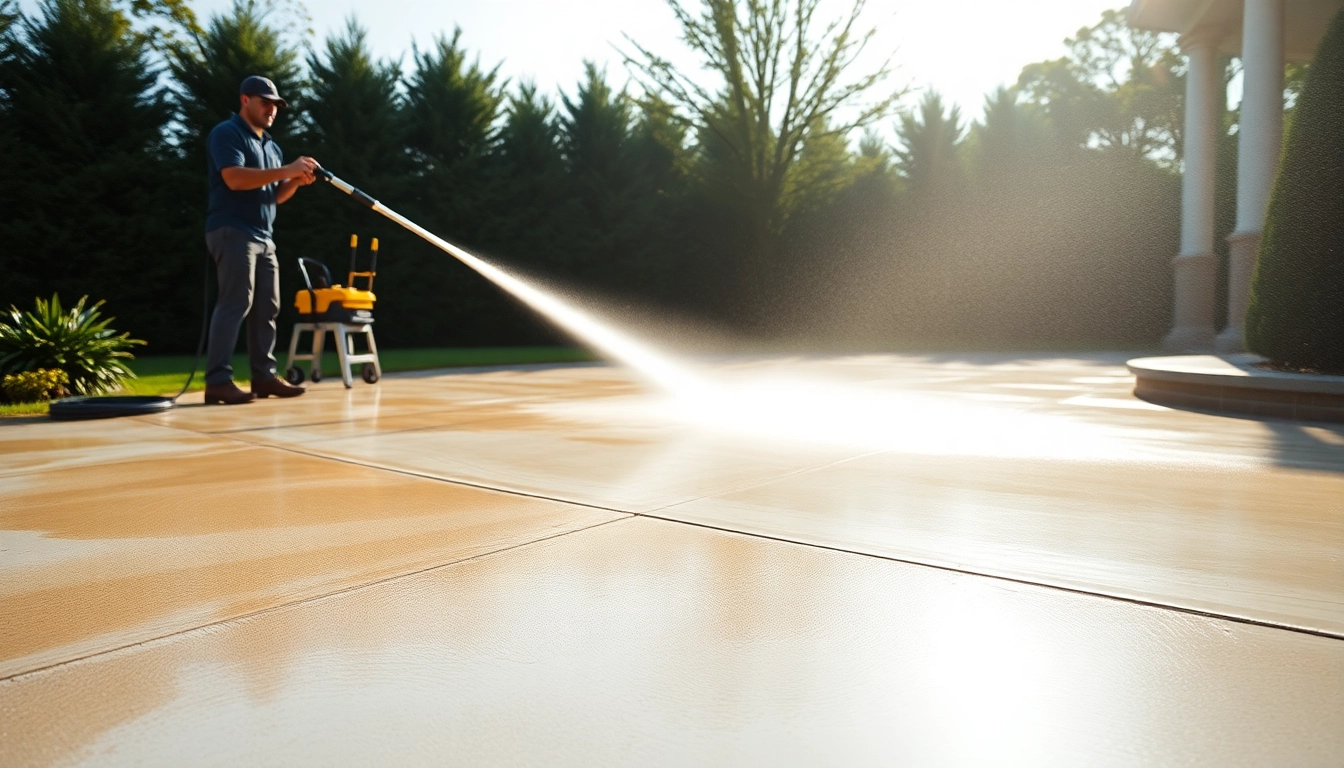
- Pressure Wash: Use a pressure washer to clean the surfaces, working in sections to ensure thorough cleaning.
- Rinse and Dry: Rinse the area with clean water and allow it to dry completely.
Understanding Different Concrete Cleaning Methods
Pressure Washing vs. Soft Washing for Concrete
Understanding the difference between pressure washing and soft washing is essential for effective concrete cleaning. Pressure washing utilizes high-pressure water jets to dislodge dirt and stains, making it suitable for tough jobs like driveways and parking lots. On the other hand, soft washing uses lower pressure and specialized cleaning solutions, making it perfect for more delicate surfaces or minor stains.
Chemical Treatments for Stubborn Stains
For concrete surfaces with persistent stains, chemical treatments can be beneficial. These might include:
- Acid-Based Cleaners: Effective for mineral deposits and rust stains.
- De-greasers: Target oil and grease stains specifically.
- Mold and Mildew Removers: Formulated to kill mold spores and prevent future growth.
Aftercare: Sealing Concrete Post-Cleaning
After cleaning, consider sealing the concrete. Sealants provide a protective barrier against stains and moisture, prolonging the life of your concrete surfaces. There are various types of sealants available, including:
- Acrylic Sealers: Easy to apply and provide a glossy finish.
- Epoxy Sealers: Durable and ideal for high-traffic areas.
- Polyurethane Sealers: Offer resistance to chemicals and abrasions.
Addressing Common Questions About Concrete Cleaning
How Often Should Concrete Be Cleaned?
The frequency of concrete cleaning largely depends on the surrounding environment and usage. Generally, it is advisable to clean concrete surfaces at least once or twice a year. However, high-traffic areas, such as driveways or commercial properties, may require more frequent cleaning to maintain their appearance and prevent staining.
Is DIY Concrete Cleaning Safe and Effective?
While DIY concrete cleaning can be effective, safety should always be a priority. Ensure you wear protective gear, including gloves and goggles, and use cleaning solutions as directed. If you’re dealing with severe staining or extensive surfaces, hiring professionals may be a more efficient and effective option.
Estimated Costs of Professional Concrete Cleaning Services
The cost of hiring a professional for concrete cleaning can vary based on several factors, including the size of the area, the level of staining, and geographic location. On average, you can expect to pay between $1 to $3 per square foot for professional cleaning services. For a standard driveway, the total cost could range from $100 to $300.
Future Trends in Concrete Cleaning
Innovative Technologies in Concrete Cleaning
As technology continues to evolve, so does the equipment and techniques used in concrete cleaning. Innovations such as robotic pressure washers and advanced surface cleaners are being introduced to improve efficiency and effectiveness. These technologies aim to reduce the labor involved while increasing the quality of the cleaning.
Emerging Eco-Friendly Practices for 2025
With growing awareness surrounding environmental issues, the concrete cleaning industry is expected to embrace more eco-friendly practices. This includes the development of biodegradable cleaning agents and water reclamation systems that minimize waste and ensure responsible water use during the cleaning process.
Consumer Expectations and Industry Standards
As consumer awareness around sustainability and quality increases, industry standards for concrete cleaning will likely rise. Customers will seek out services that offer not only effective cleaning solutions but also environmentally responsible practices, driving the demand for transparency in service offerings.