Understanding the Electric Chain Hoist Crane
The electric chain hoist crane represents a crucial component of modern industrial lifting systems, enhancing efficiency and safety in various applications. As industries continue to evolve and demand for productivity increases, understanding the mechanics and advantages of these hoists becomes essential. Whether in manufacturing, construction, or specialized environments, the electric chain hoist crane serves as a valuable tool for lifting heavy loads with precision and ease.
What Is an Electric Chain Hoist Crane?
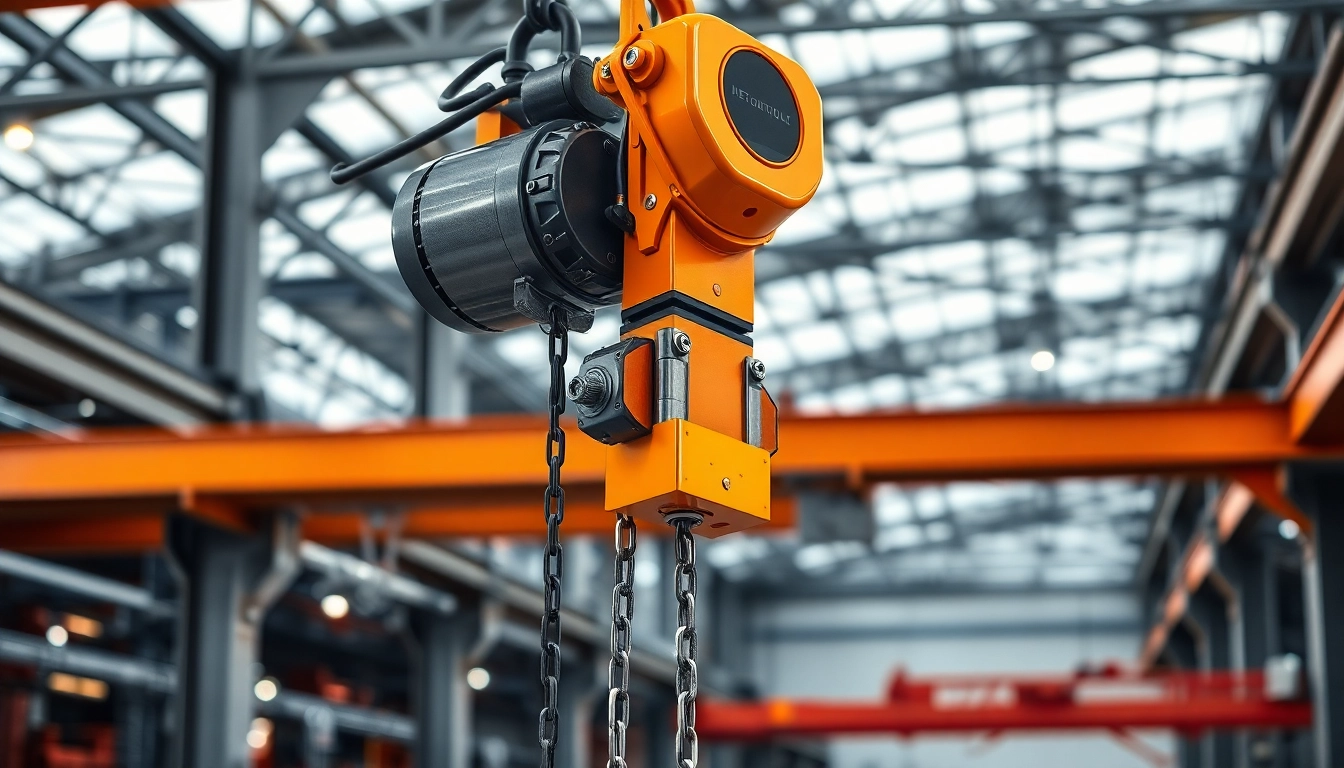
An electric chain hoist crane is a type of lifting machinery that utilizes an electric motor to lift and lower heavy loads using a chain mechanism. Unlike manual hoists, which require human effort to operate, electric hoists streamline the lifting process, significantly reducing the physical strain on operators. These cranes are equipped with various features tailored to enhance operational efficiency, safety, and longevity in demanding work environments.
How Electric Chain Hoists Work
The operation of an electric chain hoist crane is relatively straightforward. The hoist is mounted on a trolley that moves along a beam or track, allowing for horizontal movement while lifting. The motor drives a gear mechanism that rotates a drum, wrapping the chain around it. As the drum turns, the chain is pulled up, lifting the attached load. This motorized action drastically reduces the time and effort required for lifting tasks compared to manual hoists.
The Advantages of Electric Over Manual Hoists
- Increased Efficiency: Electric hoists significantly reduce lifting times, enabling faster workflows.
- Consistent Power: Unlike manual hoists, which can falter under heavy loads, electric hoists provide consistent lifting force.
- Reduced Physical Strain: Operators can lift heavier loads with minimal physical effort, decreasing the risk of injury.
- Enhanced Control: Electric chain hoists offer precise control over lifting speed and position.
Key Features to Consider When Choosing an Electric Chain Hoist Crane
When selecting an electric chain hoist, it is crucial to evaluate several key features that impact performance, safety, and cost-effectiveness. Understanding these elements not only aids in making informed purchasing decisions but also ensures that the hoist meets operational demands.
Load Capacity and Lifting Speed
The load capacity is one of the most critical specifications when choosing an electric chain hoist crane. It is vital to select a hoist that can handle the maximum weight of the loads being lifted without risk of failure. Additionally, the lifting speed should align with production requirements. Some applications may prioritize speed, while others may focus on careful handling of sensitive materials.
Safety Features and Certification Standards
Safety is paramount in any lifting operation. Look for electric chain hoists that are equipped with features such as overload protection, emergency stop buttons, and limit switches. Additionally, ensure that the hoist complies with relevant safety regulations and industry standards, which may vary by region.
Energy Efficiency and Operating Costs
Consider the energy efficiency of the electric chain hoist crane as it directly impacts operational costs. Hoists with lower power consumption during operation can lead to substantial savings over time. Always check for energy-efficient models that do not compromise on performance.
Common Applications of Electric Chain Hoist Cranes
Electric chain hoist cranes are versatile tools utilized across various industries. Understanding their applications can help businesses optimize their use to enhance productivity and safety.
Industrial Manufacturing and Construction
In industrial settings, electric chain hoists are frequently used for lifting heavy components, machinery, and materials. They are essential for assembly lines, allowing for the efficient movement of products through different stages of production. In construction, these hoists assist in positioning beams, trusses, and other building materials.
Warehouse and Distribution Environments
Electric chain hoists play a vital role in warehouses and distribution centers. They facilitate the lifting of pallets, crates, and bulk materials, ensuring efficient storage and retrieval processes. Their ability to operate in tight spaces makes them ideal for high-density storage solutions.
Custom Solutions for Specialized Needs
Some industries require specialized lifting solutions. Electric chain hoists can be customized with features such as remote controls, custom lifting heights, or specialized hooks to accommodate unique operational requirements. This adaptability makes them suitable for diverse applications, from automotive to aerospace.
Maintenance Best Practices for Electric Chain Hoist Cranes
To ensure longevity and safe operation, maintaining electric chain hoist cranes is critical. Regular maintenance can prevent costly breakdowns and accidents.
Regular Inspection and Maintenance Routines
Establish a routine inspection schedule to check for wear and tear, unusual noises, and operational performance. Regular checks of chains, gears, and electrical systems help identify potential issues before they escalate.
Common Issues and Troubleshooting Tips
Some common issues with electric chain hoists include uneven lifting, grinding noises, and electrical failures. Troubleshooting may involve adjusting the chain tension, lubricating moving parts, or checking electrical connections. Always refer to the manufacturer’s guidelines when addressing specific issues.
Extending the Lifespan of Your Hoist Crane
Proper maintenance, along with timely repairs and using the hoist within its specified load limits, can significantly extend the lifespan of an electric chain hoist crane. Additionally, training operators on safe usage practices can prevent misuse that leads to premature wear.
The Future of Electric Chain Hoist Cranes: Trends for 2025 and Beyond
As technology continues to advance, the future of electric chain hoist cranes looks promising. Innovations are driving enhancements in efficiency, safety, and operational capabilities, setting new standards in the industry.
Advancements in Smart Technology Integration
Smart technology is transforming how electric chain hoists operate. Integration with IoT devices allows for real-time monitoring, predictive maintenance, and enhanced safety features. This data-driven approach enables operators to optimize performance and minimize downtime.
Environmental Impact and Sustainable Practices
With growing awareness of environmental concerns, many manufacturers are focusing on creating electric chain hoists that are not only energy efficient but also made from sustainable materials. This shift towards sustainability is crucial for companies aiming to reduce their carbon footprint.
Market Predictions and Industry Growth
The electric hoist market is projected to grow significantly in the coming years, driven by increased investments in infrastructure and manufacturing. As industries continue to embrace automation, the demand for efficient and reliable lifting solutions will likely soar, positioning electric chain hoist cranes at the forefront of lifting technology.