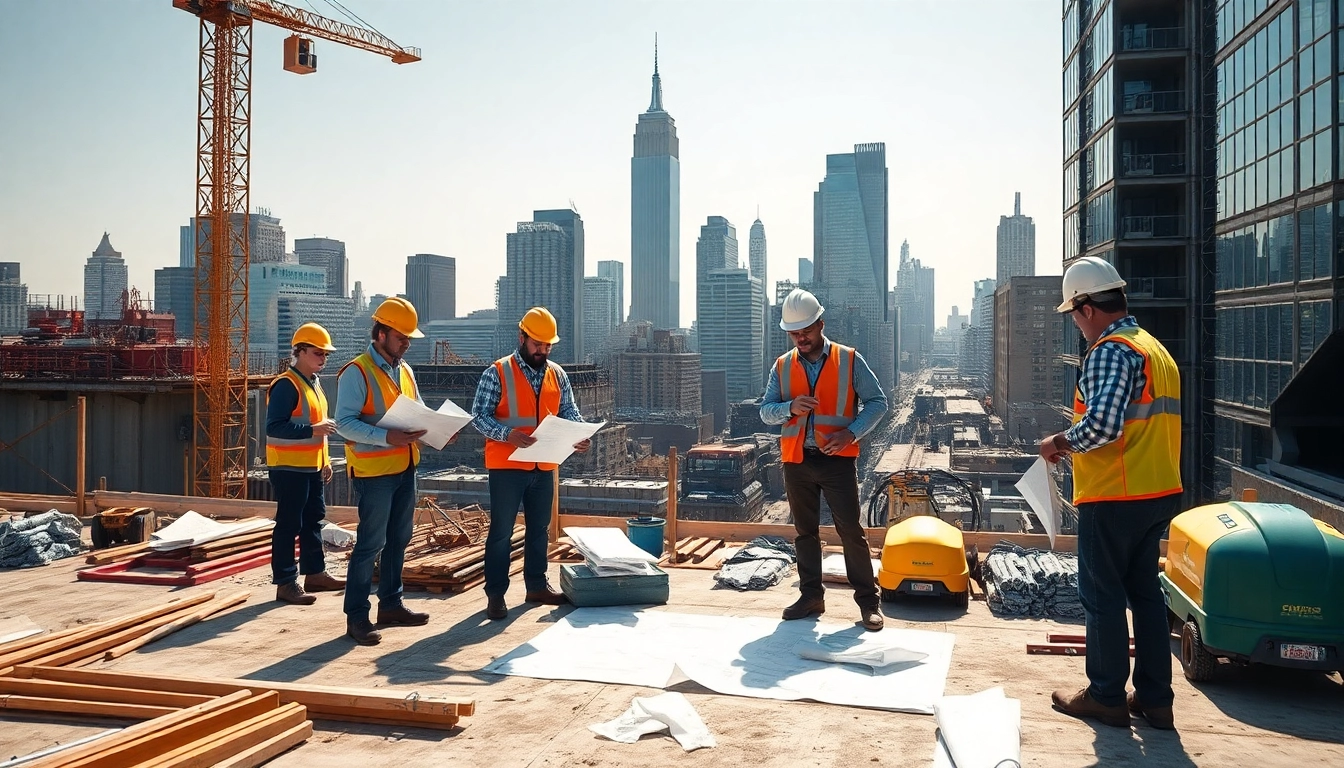
Understanding the Role of a New York Commercial General Contractor
The landscape of construction in New York is as diverse and dynamic as the city itself. When embarking on a commercial building project, one of the most pivotal decisions you'll make is selecting a reliable New York Commercial General Contractor. These professionals are the backbone of any construction project, serving as the bridge between vision and reality. This article delves deep into the essential role of commercial general contractors, their responsibilities, why their expertise is indispensable, and how to effectively evaluate candidates for your project.
What is a Commercial General Contractor?
A commercial general contractor is a licensed professional responsible for overseeing the construction and renovation of commercial properties. Their role extends beyond merely managing the physical construction; they are involved in project planning, budgeting, and coordination of various trades. This can include everything from scheduling subcontractors to ensuring that all work is up to code. Essentially, they are the project manager who makes sure everything runs smoothly from inception to completion.
Key Responsibilities and Services
The responsibilities of a commercial general contractor are extensive. Here are some key services they provide:
- Project Management: They manage the day-to-day operations, ensuring that the project is on track and within budget.
- Budgeting and Cost Control: Contractors provide estimates, help manage costs, and ensure financial accountability throughout the project.
- Quality Assurance: They are responsible for maintaining high standards of workmanship and ensuring that materials used meet specified standards.
- Safety Management: Ensuring a safe work environment is critical, and general contractors implement necessary safety protocols.
- Coordination of Work: They coordinate with subcontractors, architects, and engineers to ensure that all aspects of the construction align with the project's goals.
Why You Need a General Contractor
Hiring a general contractor can save time and money while minimizing the risks associated with construction. Their expertise ensures compliance with local regulations and building codes, which is particularly important in New York, where regulations can be stringent. Furthermore, a reputable contractor often has established relationships with suppliers and subcontractors, which can lead to better pricing and scheduling efficiency.
How to Evaluate New York Commercial General Contractors
Not all general contractors are created equal. To ensure you find the best fit for your project, you need to evaluate potential candidates thoroughly. Here are some essential criteria to consider:
Check Credentials and Licensing
Before hiring a contractor, verify that they possess the necessary licenses and certifications required to operate in New York. This includes general liability insurance and worker's compensation coverage, which protect you from liability in case of accidents on the job site. Additionally, checking references and their standing with regulatory bodies can help ensure you are hiring a qualified professional.
Review Portfolios and Past Projects
A contractor's portfolio offers invaluable insights into their capabilities. Pay attention to past projects similar to yours and assess whether their style and quality meet your expectations. Asking for case studies or testimonials can also provide a clearer picture of their organizational skills and ability to deliver on time.
Assess Communication and Professionalism
Communication is essential throughout the construction process. During your initial interactions, evaluate how responsive and clear the contractor is. A professional contractor should be open to discussing concerns, providing updates, and managing changes as they arise. This proactive communication can save considerable headaches later on.
Common Challenges When Hiring a General Contractor in New York
Even after careful selection, various challenges may arise during the construction process. Here are some common issues to anticipate:
Navigating Legal and Regulatory Requirements
New York's regulatory environment can be complex. Various permits and inspections may be required, each with its own set of rules. A knowledgeable general contractor will understand these regulations and help navigate the bureaucratic maze, ensuring compliance and avoiding costly delays.
Managing Project Budgets Effectively
Staying on budget is one of the most challenging aspects of construction. Unexpected costs may arise from changes in the project scope, material price increases, or delays. A competent contractor will help you identify potential risks early on and provide contingency plans to mitigate budgetary concerns, ensuring greater financial control.
Dealing with Construction Delays
Delays are a common challenge in construction due to weather, supply chain issues, or unforeseen site conditions. A general contractor's experience plays a crucial role in managing and mitigating these delays. They can quickly adapt project schedules, reallocate resources, and keep all stakeholders informed of any changes.
Best Practices for Working with a New York Commercial General Contractor
Once you've chosen a contractor, utilizing best practices can foster a productive working relationship and smooth project execution:
Setting Clear Expectations and Goals
Clearly define your project scope, timelines, and budget from the outset. This clarity helps align the contractor with your vision and sets a standard against which progress can be measured. Regular discussions about objectives and any modifications can maintain focus throughout the project lifecycle.
Maintaining Open Lines of Communication
Regular check-ins and updates are crucial. Encourage your contractor to provide frequent updates and address challenges early on, fostering an environment where concerns can be addressed collaboratively. Utilize project management software to streamline communication, making information accessible to all parties.
Monitoring Progress and Adapting Plans
Stay actively involved in the project by monitoring ongoing progress. Conduct regular site visits to assess work quality and schedule adherence. If issues arise, be prepared to adapt plans as necessary. Flexibility can lead to creative solutions that maintain project momentum.
Measuring Success: KPIs for General Contractor Projects
Establishing key performance indicators (KPIs) can help measure the success of your contractor and the project's overall effectiveness. Here are some vital metrics to track:
Cost Management and Budget Adherence
Track actual expenditures against the budget to gauge cost effectiveness. Regularly analyzing variances can help identify areas for improvement and inform future budget planning.
Timeline Management and Delivery
Assess whether project milestones are being met as planned. A successful project should adhere to its timeline, with minimal delays. Evaluate if the contractor is proactive in managing time and adjusting schedules as necessary.
Quality of Work and Client Satisfaction
Ultimately, the quality of workmanship and your overall satisfaction with the project serve as key indicators of success. Solicit feedback from all stakeholders and address any concerns promptly. A project that exceeds expectations in quality is a solid indicator of a competent general contractor.
In conclusion, navigating the world of commercial construction in New York mandates a thorough understanding of the role and responsibilities of a New York Commercial General Contractor. By evaluating potential candidates carefully and fostering an open, communicative relationship, you can set the stage for a successful project that meets your needs while navigating the unique challenges that arise in this dynamic industry.