
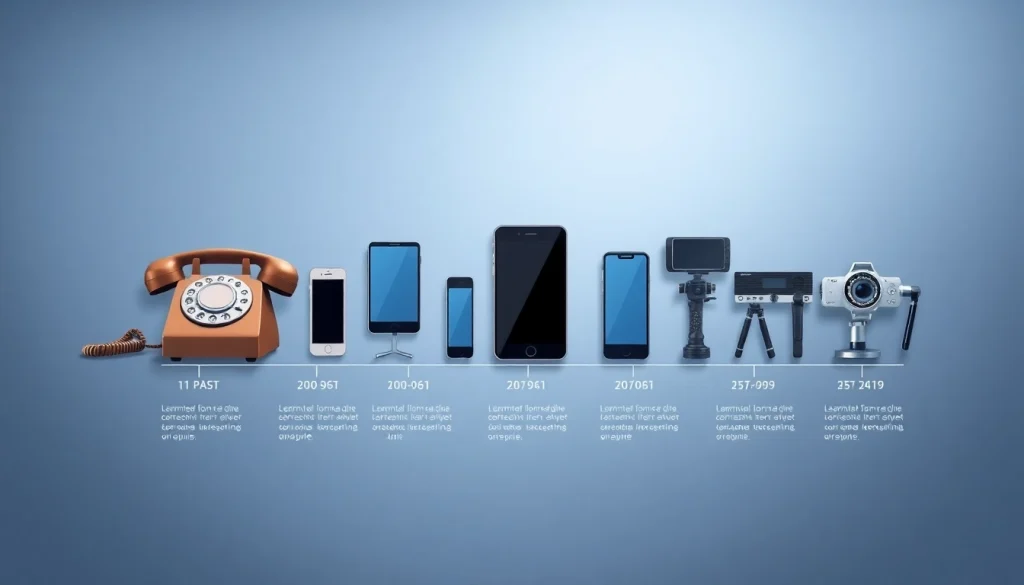
1. Introduction to Technology
In the modern world, the significance of Technology cannot be overstated. It serves as a foundation for various industries, shapes societal behavior, and drives economic growth. As a dynamic entity, technology encompasses a myriad of fields and applications, each influencing our daily lives in various ways.
1.1 Definition and Scope of Technology
Technology can be defined as the practical application of scientific knowledge to create tools, systems, and processes that solve problems. This broad definition encompasses everything from simple tools made of stone to complex computer systems and artificial intelligence. The scope of technology extends beyond individual devices; it includes the methodologies and practices that underpin their design, development, and implementation.
1.2 Historical Context of Technology
The evolution of technology is a narrative filled with innovation and adaptation. From the invention of the wheel and the development of agriculture to the advent of the internet and artificial intelligence, each era of technological advancement represents a response to human needs. Historical milestones like the Industrial Revolution transformed societies, redefined labor, and launched humanity into a new age of productivity and connectivity.
1.3 Importance of Technology in Daily Life
Today, technology plays a central role in everyday activities such as communication, transportation, and healthcare. The integration of smartphones into daily life exemplifies how technology facilitates instant communication, information access, and social interaction. Furthermore, innovations in health technology have improved diagnosis and treatment procedures, thereby enhancing the quality of life for millions. Overall, the importance of technology is evident in its capacity to streamline processes, enhance productivity, and improve overall well-being.
2. Types of Technology
2.1 Information Technology and Communication
Information Technology (IT) is the backbone of modern business operations and personal communication. This field encompasses computer systems, software applications, and networks used to manage and analyze information. The evolution of the internet has been a game changer in IT, allowing for rapid data exchange and real-time communication, exemplified by platforms like social media, cloud computing, and online collaboration tools.
2.2 Industrial and Mechanical Technology
Industrial and mechanical technology refers to the tools and processes used in manufacturing and production. This genre of technology has significantly evolved with the introduction of automation and robotics. Automated assembly lines boost efficiency and precision, enhancing production rates while minimizing human error. Technologies such as 3D printing are also reshaping manufacturing, allowing for rapid prototyping and customization of products.
2.3 Emerging Technologies: AI and Robotics
The emergence of artificial intelligence (AI) and robotics marks a pivotal moment in technological advancement. AI systems can analyze huge datasets to predict patterns and inform decision-making, revolutionizing industries from healthcare to finance. Similarly, robotics enhances capabilities in manufacturing, logistics, and even home automation. The convergence of AI with robotics enables the development of intelligent machines capable of performing complex tasks autonomously, presenting both opportunities and ethical considerations in their implementation.
3. The Benefits and Challenges of Technology
3.1 Enhancements in Efficiency and Productivity
One of the most significant benefits of adopting technology is the enhancement of efficiency and productivity. Businesses leverage technological tools to streamline operations, automate repetitive tasks, and optimize workflows. For instance, data analytics allows companies to make informed decisions quickly and accurately, leading to improved outcomes and resource allocation.
3.2 Societal Impacts of Technology
While technology fosters innovation, it also brings about societal challenges. Issues such as digital divide and job displacement have become prominent as technology continues to evolve. The rapid pace of technological change can leave certain demographics behind, creating inequalities in access to information and jobs. It is essential to address these disparities to ensure a balanced approach to technological integration across societies.
3.3 Ethical Implications of Technology Use
The ethical implications of technology usage raise complex questions concerning privacy, security, and accountability. As technology advances, the collection and management of personal data become more prevalent, provoking discussions on consumer rights and the ethical responsibilities of organizations. Striking a balance between utilizing technology for innovation while respecting privacy rights is a persistent challenge in this digital age.
4. Future Trends in Technology
4.1 Predictions for Technological Advancements
Looking ahead, the horizon is bright with potential technological advancements. Experts predict significant growth in areas such as quantum computing, which promises to exponentially increase processing power, and biotechnology, which can transform healthcare solutions. Additionally, augmented reality (AR) and virtual reality (VR) are expected to create immersive experiences in gaming, training, and education.
4.2 The Role of Sustainability in New Technology
Amidst these advancements, sustainability is becoming a focal point for technology development. Innovations aimed at reducing environmental impact, such as renewable energy technologies and sustainable manufacturing practices, are gaining traction. Organizations are increasingly adopting technologies that support sustainable practices, reflecting a growing awareness of environmental responsibilities.
4.3 Impact of Globalization on Technology
Globalization has accelerated the dissemination of technology, fostering cross-border collaboration and innovation. Emerging markets are rapidly adopting advanced technologies, reflecting a shift in the landscape where technological solutions are developed and utilized worldwide. This interconnectedness not only drives competition but also promotes the sharing of knowledge and best practices across cultures, enhancing the overall pace of innovation.
5. Conclusion and Future Considerations
5.1 Summary of Key Points
In summary, technology is an integral part of contemporary society, influencing various aspects of our daily lives and shaping the future. Its definition and scope extend across numerous fields, from information technology to industrial applications. Although technology brings numerous benefits, such as increased productivity and improved quality of life, we must also navigate the challenges it presents, like societal inequalities and ethical concerns.
5.2 Encouraging Responsible Technology Adoption
As we venture further into the technological landscape, promoting responsible technology adoption will be crucial. This involves fostering a culture of ethical practices, inclusivity, and sustainability in technological developments, ensuring that the benefits of technology are accessible to all, not just a select few.
5.3 Vision for the Future of Technology
The future of technology is not just about advancement but about how we shape it to align with human values and societal needs. Embracing an inclusive approach to technological innovation, prioritizing ethics, and focusing on sustainability will be pivotal for forging a future where technology enriches lives while protecting our planet.