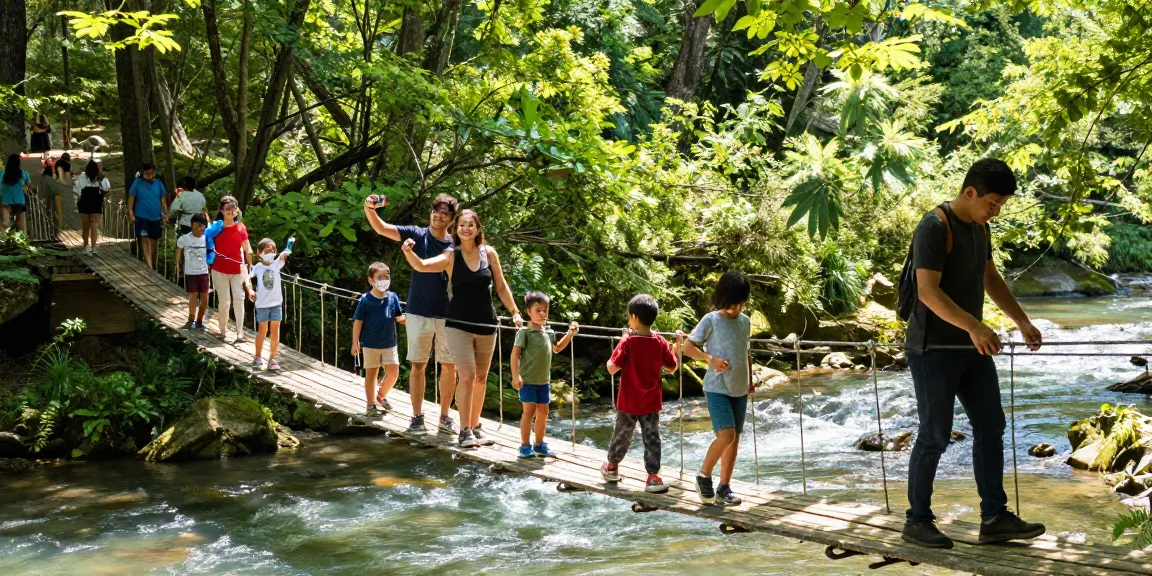
Understanding River Rope Bridges: An Overview
As nature lovers and adventure seekers increasingly look for innovative ways to explore the great outdoors, the River Rope Bridge has emerged as a captivating solution. These bridges not only facilitate river crossings but also serve as dynamic installations that enhance natural landscapes. A well-constructed rope bridge can transform the way we interact with our environment, providing both functionality and aesthetic value. This article delves into the essence of river rope bridges, their historical significance, benefits, and what you need to know for potential construction.
What is a River Rope Bridge?
A river rope bridge is a type of bridge that uses ropes to suspend a walking surface across a river or gorge. These structures can be simple and functional or elaborate with added features, depending on their intended use. Typically made from sturdy materials like natural fibre ropes, synthetic ropes, or cables, they are designed to be lightweight yet strong enough to support pedestrian traffic and sometimes even small cargo. Their flexibility makes them a popular choice in various settings, from parks and nature reserves to adventure camps.
History and Evolution of Rope Bridges
The use of rope bridges dates back centuries, with early examples found in various cultural contexts around the world. The Incas of South America famously constructed grass and vine rope bridges over deep gorges, such as the Qeswachaka bridge, which is still maintained by local communities today. These structures were born from the necessity of connecting remote locations while preserving the landscape’s natural integrity. Over time, technological advancements have led to the development of more durable materials and designs, allowing for safer and more versatile bridge options.
Key Benefits of River Rope Bridges for Outdoor Activities
River rope bridges offer numerous benefits for outdoor enthusiasts and communities alike:
- Accessibility: They provide a safe way to cross rivers where no roads exist, opening up new trails and hiking routes.
- Community Connectivity: Bridges can link areas that may otherwise be isolated, promoting tourism and local economies.
- Scenic Beauty: A well-placed rope bridge can significantly enhance the visual appeal of an area, providing stunning views for visitors.
- Adventure Opportunities: They can be integrated into adventure sports and ecotourism, offering unique experiences such as zip-lining or guided walks.
Designing Your Own River Rope Bridge
Creating a river rope bridge can be an exciting project. However, it requires careful planning and execution to ensure safety and durability. Here, we will explore the essential materials needed, outline a step-by-step building guide, and highlight common pitfalls to avoid.
Essential Materials and Tools for Construction
Before embarking on your bridge-building journey, gather the following materials and tools:
- Ropes: Choose high-quality, rot-resistant ropes suitable for suspension bridges, such as nylon or polyester.
- Support Structures: Consider using wooden beams, metal cables, or concrete posts as anchor points.
- Decking Material: Use wood planks, composite materials, or wire mesh, depending on the desired appearance and functionality.
- Safety Equipment: Harnesses, helmets, and gloves should be worn during the construction phase.
Step-by-Step Guide to Building a Safe River Rope Bridge
- Select a Suitable Location: Choose a site with stable banks and minimal current. Survey the area for environmental impact.
- Plan the Design: Sketch the layout, including the dimensions and materials. Ensure your design complies with local regulations.
- Construct Anchor Points: Install sturdy anchor points on both banks to secure the ropes. Test their stability before proceeding.
- Install the Ropes: Attach the main suspension ropes to the anchor points, ensuring they are taut and secure.
- Add the Deck: Lay down the decking material across the suspension ropes, securing it in place.
- Safety Features: Add handrails or safety nets if necessary. Regularly inspect the bridge for wear and tear.
Common Mistakes to Avoid When Designing a Rope Bridge
While building a river rope bridge can be rewarding, avoiding common mistakes is crucial:
- Neglecting to assess the site thoroughly can lead to unsafe conditions.
- Using inadequate materials can compromise the bridge’s stability and safety.
- Failure to comply with local regulations may result in legal issues or fines.
- Underestimating maintenance requirements can lead to deterioration over time.
Choosing the Right Location for Your River Rope Bridge
Location selection is a critical step in the success of your river rope bridge. Not only does it affect the functionality of the bridge, but it also impacts the safety of users and the surrounding environment.
Evaluating Safety Conditions at River Sites
When assessing potential sites, consider the width of the river, the strength of currents, and seasonal variations in water levels. Conducting a safety audit will help identify potential hazards and ensure that the bridge is used safely.
Environmental Considerations for Installation
Installing a rope bridge can impact local wildlife and ecosystems. Be sure to review environmental regulations, and consider how the construction may affect the flora and fauna of the area. Using eco-friendly materials and minimizing disruption during construction can mitigate negative impacts.
Permits and Regulations for River Rope Bridges
Before commencing construction, check with local authorities to determine what permits are necessary. Compliance with building codes and safety standards is not only a legal requirement but also essential for ensuring safe use.
Enhancing the Experience: Adding Features to Your River Rope Bridge
To elevate the user experience, consider integrating additional features into your river rope bridge design.
Integrating Scenic Lookouts and Rest Areas
By creating designated lookout points or rest areas along the bridge, you can enhance visitors’ experience while ensuring their safety. These features promote safety, allowing users to pause, enjoy scenery, and take photographs without obstructing the passageway.
Safety Features: Handrails and Sightlines
Adding handrails not only increases safety but also provides support for users, particularly children or those with mobility challenges. Maintaining clear sightlines along the bridge ensures users feel secure and can see any potential obstacles ahead.
Lighting and Aesthetics for Nighttime Crossings
For bridges used in low-light conditions, incorporating lighting can enhance safety and add aesthetic value. Solar-powered lights can be a sustainable choice, providing illumination while ensuring minimal impact on the surrounding area.
Future Trends in River Rope Bridges and Outdoor Activities
As we look towards 2026, the design and construction of river rope bridges are evolving, incorporating modern materials and techniques that enhance performance and sustainability.
Innovations in Materials and Designs for 2026
Emerging trends include the use of lightweight composites and advanced polymers, which offer increased strength without added weight. These materials can improve the longevity and safety of bridges, ensuring they withstand the elements.
Eco-friendly Practices in River Rope Bridge Construction
With a growing emphasis on sustainability, many builders are leaning towards eco-friendly practices. This includes using recycled materials and planning for minimal ecological disruption during construction.
Adventure Tourism and Its Impact on Rope Bridge Use
As adventure tourism continues to gain popularity, the demand for unique experiences is driving the construction of more river rope bridges. These structures not only serve practical purposes but also attract tourists looking for scenic spots to explore and photograph.
What are the benefits of a River Rope Bridge?
A River Rope Bridge allows for adventurous and scenic crossings while promoting access to remote areas, enhancing the experience of outdoor activities.
How much does it cost to build a River Rope Bridge?
The cost of construction can vary widely based on materials, design complexity, and location. Factors such as permits and environmental assessments may also influence the overall budget.
What safety measures should be taken when using a River Rope Bridge?
Safety measures include regular inspections, clear signage regarding weight limits, and ensuring that ropes and decking are maintained to prevent accidents.
Where are some famous River Rope Bridges located?
Notable examples of river rope bridges include the Carrick-a-Rede Rope Bridge in Northern Ireland and various ancient Incan bridges in Peru, showcasing the historical significance and beauty of these structures.
Can anyone build a River Rope Bridge?
While it is feasible for individuals to build a river rope bridge, it is essential to adhere to local building codes and safety regulations, potentially involving professional help for complex designs.